Climate & Weather
How to Choose a Perfume for Indian Weather
By NAFUME · Fragrance Guide · June 2026
India's climate is not one thing. It ranges from the dry heat of Rajasthan in May to the thick humidity of coastal cities in monsoon season, from cool Himalayan towns to the year-round warmth of the South. What this means for fragrance is simple: a perfume that works beautifully in a European spring might perform very differently here.
Understanding how weather affects fragrance performance is the difference between a scent that lasts and one that either disappears or turns unpleasant by noon. This guide covers what to look for, what to avoid, and which fragrance styles actually hold up in Indian conditions.
Why Weather Matters for Perfume
Fragrance is essentially volatile — it releases into the air from your skin as the alcohol carrier evaporates. Heat speeds up this process. In hot weather, top notes (the first impression of a scent) evaporate faster, meaning you move more quickly to the heart and base notes of a fragrance. This is why some perfumes smell completely different in summer versus winter.
Humidity also plays a role. Moisture in the air can amplify projection, sometimes dramatically. A fragrance that feels refined in dry conditions can become overpowering in high humidity. This is worth keeping in mind when applying — you may need fewer sprays than you're used to during monsoon months.
What to Look for in a Perfume for Indian Weather
Higher oil concentration. Highly concentrated perfumes hold longer because there's more fragrance material relative to alcohol. When the alcohol evaporates fast in heat, a highly concentrated fragrance has more behind it to sustain the scent.
Fresh or aquatic top notes. In warm weather, citrus, marine, and green top notes feel clean and appropriate. They don't turn sour or heavy in heat the way some heavy floral or gourmand top notes can.
Grounded base notes. Cedarwood, sandalwood, vetiver, and clean musk are base notes that hold well in heat without becoming unpleasant. They anchor the fragrance without creating that stale, heavy feeling that can happen with thick balsamic or very sweet bases.
Best Fragrance Families for Indian Climate
| Fragrance Family | How It Performs | Best For |
|---|---|---|
| Fresh / Aquatic | Excellent — projects cleanly in heat | Year-round, especially summer and office |
| Woody / Aromatic | Very good — clean wood notes hold well | Office, daily wear, moderate heat |
| Spicy / Oriental | Good in evenings, can be heavy in peak heat | Evenings, air-conditioned spaces, winter |
| Floral | Variable — light florals work, heavy can sour | Morning, mild seasons |
| Gourmand / Sweet | Use with caution in summer heat | Cooler months, evenings |
What to Avoid in Peak Indian Summer
Very sweet, heavy perfumes — thick vanilla, caramel, or creamy musks — can interact poorly with body heat and sweat, creating an unpleasant effect by midday in summer. This doesn't mean these fragrances are bad — it means they're better suited to air-conditioned environments or cooler months.
Overapplying in humidity is also a common mistake. What feels like a normal 4-spray application in January can be overwhelming in July in a coastal city. In monsoon months especially, start with 1–2 sprays and judge from there.
How to Apply for Indian Weather
Apply to clean, moisturised skin on pulse points — the inner wrist, base of the neck, inner elbow, and behind the ears. Moisturised skin holds fragrance longer. In very hot weather, applying lightly to the chest and clothing can also help, since clothing holds scent longer than skin alone.
Avoid rubbing wrists together after applying — this crushes the top notes and changes how the fragrance develops. Let it dry naturally.
NAFUME Picks for Indian Weather
From the NAFUME range, two fragrances stand out particularly well for Indian conditions:
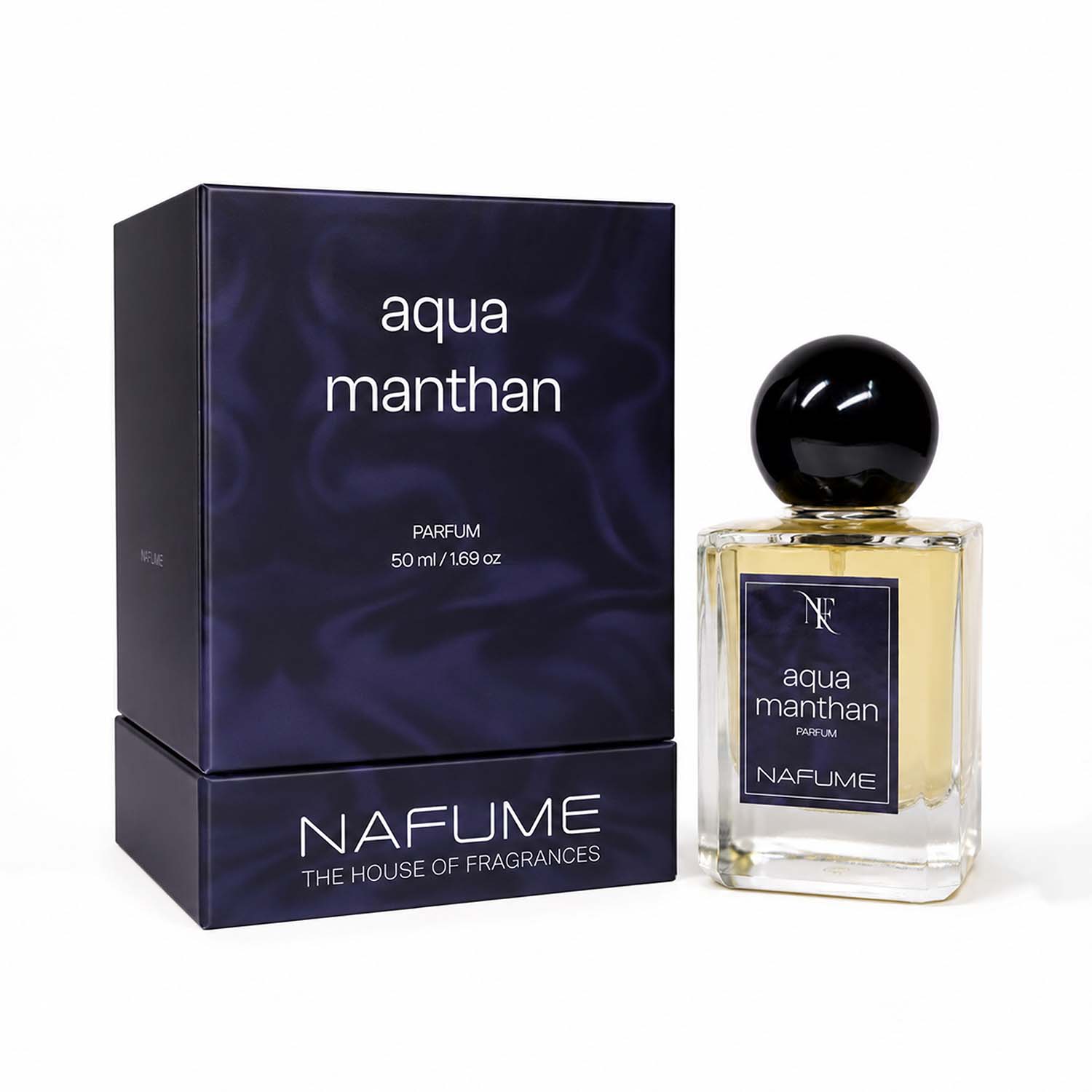
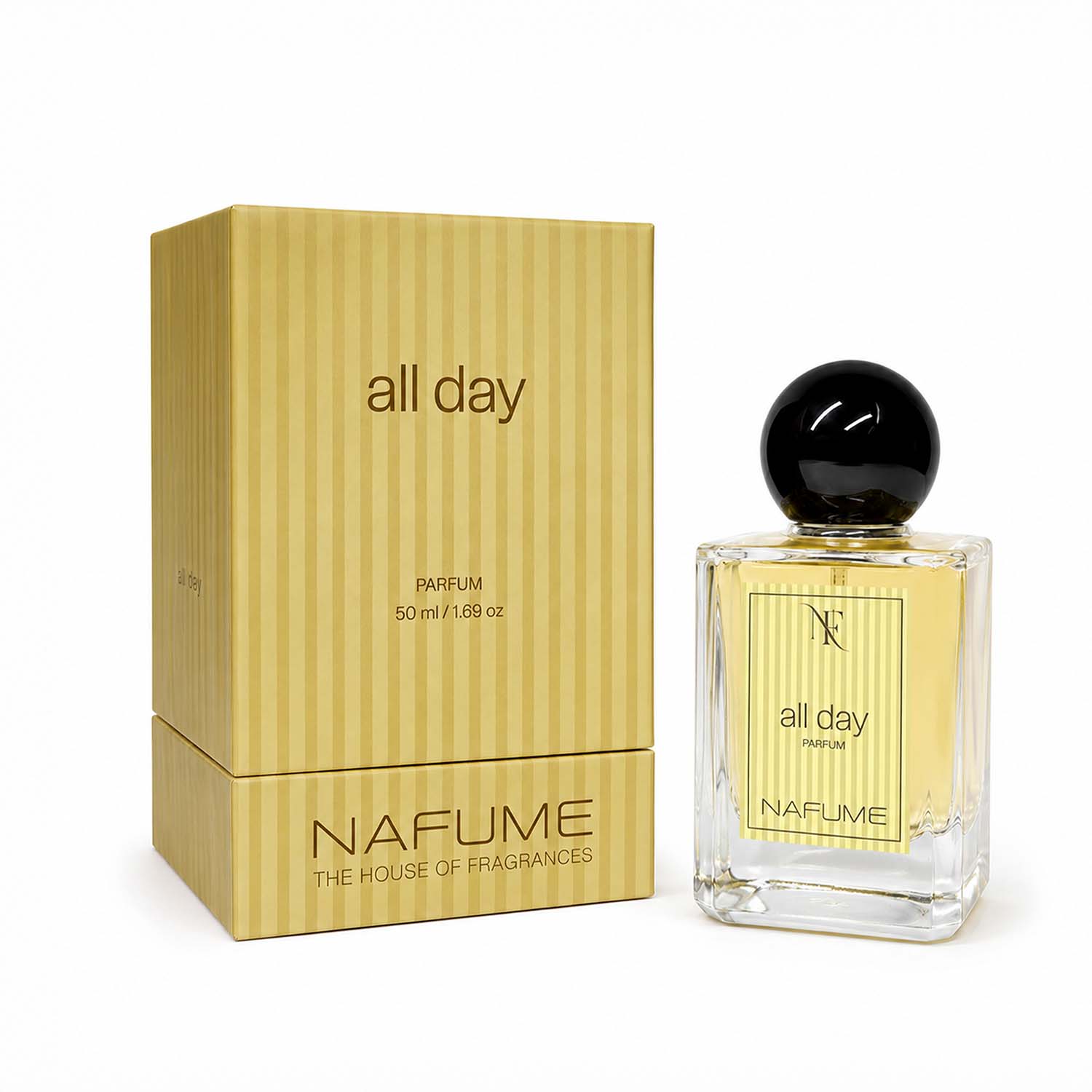
Aqua Manthan is NAFUME's clearest choice for Indian heat — the marine accord, bergamot and green tea open fresh and clean even when it's 35°C outside, and the cedarwood base keeps it grounded without turning heavy. All Day performs well across seasons — the coffee and tobacco dry-down is warm but clean, making it more versatile than it sounds, including through monsoon months when you want something grounded rather than sharp.
Looking for more options? Explore the fresh & aquatic perfumes collection or browse office & everyday fragrances for daily wear picks.
Shop All PerfumesFrequently Asked Questions
Which type of perfume lasts longest in Indian heat?
Highly concentrated perfumes — with a higher ratio of fragrance oil to alcohol — generally perform better in heat because the scent is richer and more sustained. Fresh and aquatic fragrances tend to project well in heat without becoming overpowering. Woody base notes like cedarwood and sandalwood also anchor a fragrance through humid conditions.
Should I avoid heavy perfumes in Indian summer?
In peak summer heat, very heavy oriental or thick musky fragrances can become overwhelming and sweaty-smelling as they interact with body heat. It's worth rotating to something fresher for the hottest months. However, woody and spicy fragrances still work well in Indian evenings and air-conditioned environments year-round.
Where should I apply perfume for best results in Indian weather?
Apply to pulse points — inside the wrist, base of the neck, behind the ears, and the inner elbow. These spots generate heat naturally, which helps the fragrance diffuse. In very hot weather, applying to the chest and clothing lightly helps anchor the scent through the day.
Does humidity make perfume smell stronger?
Yes. High humidity can amplify how a fragrance projects, sometimes making it smell more intense than it would in dry conditions. A fragrance you'd apply 4 sprays of in winter might only need 2–3 in a humid coastal city. Start with less and build up.